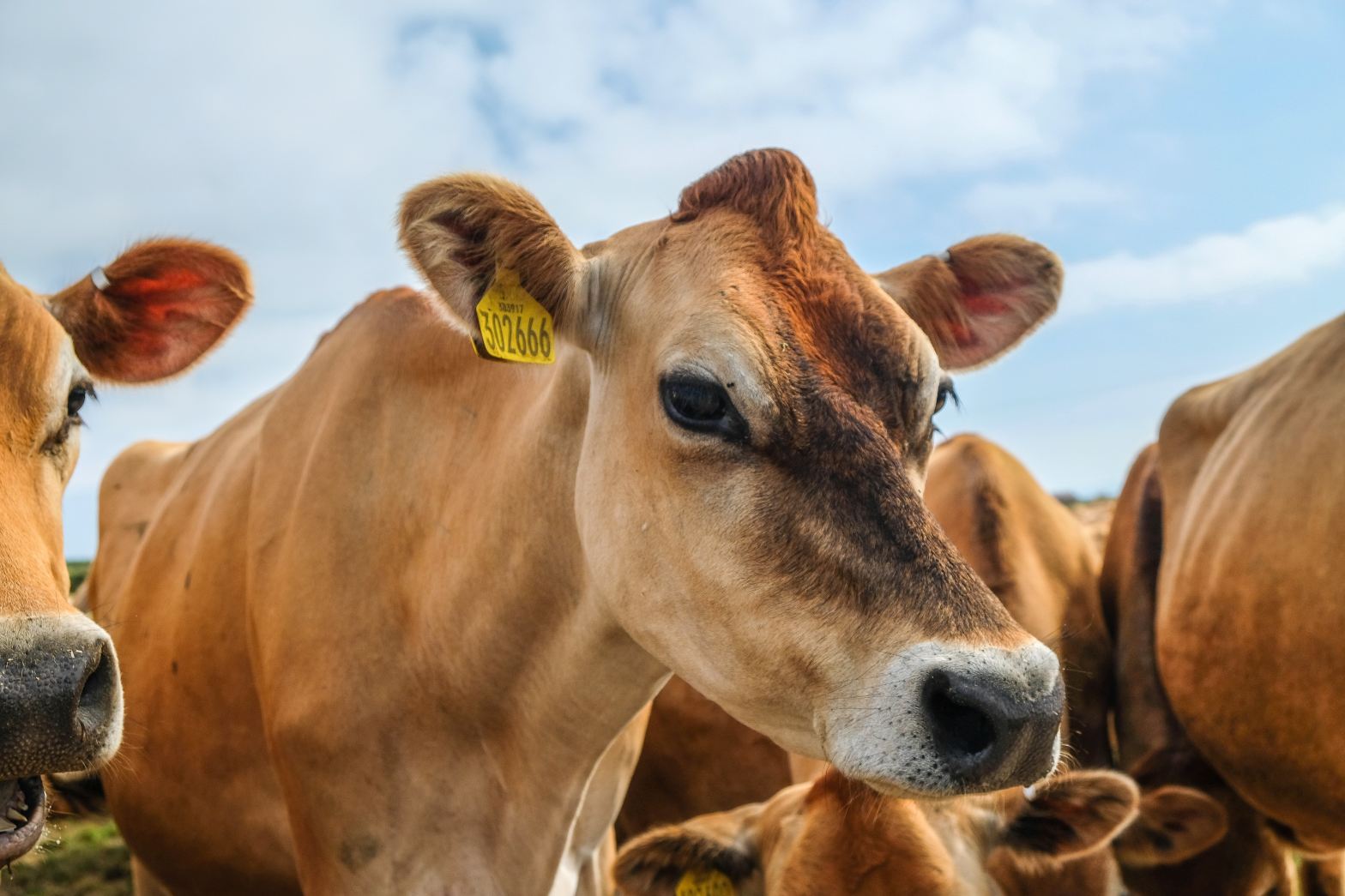
The meat-heavy diet of Westerners is taking its toll on our planet, causing many rumours to suggest that being vegetarian is better for the environment. Could there be some truth to it? We investigate the evidence.
Death row inmates in the United States put a lot of thought into their final meal choice. After all, it’s the last food they will eat on Earth. And their choice is telling, for overwhelmingly they want meat. Pork chops, filet mignon, steak, hamburger, meatloaf, fried chicken, sausages… with not a lentil, slice of haloumi or vegetarian lasagne in sight. Prisoners on death row might not be the most representative of social groups, but their choices give an inkling of the central role meat plays in everyday diets.
The very earliest fossil evidence of human eating habits bears the unmistakable signs of animal consumption. Our dental structure is designed for a diet that will tackle anything, whether animal or vegetable: canines and incisors for cutting and tearing, pre-molars and molars for grinding.
Science Weekly feature, The Red Meat Footprint, by Bianca Nogrady, suggests the modern human diet revolves around meat, particularly those from Western society. Livestock products provide one third of humanity’s protein intake. In Australia, livestock production is a critical export industry and contributes to high domestic consumption of meat products.
According to a 2005 report from Australian government research agency, The CSIRO, an average Australian eats 35kg of beef, 21kg of pork, 36kg of chicken, and 13kg of lamb each year. This equates to roughly 290g of meat per person, per day. To satisfy the meat requirements of Australians, it takes 16 million sheep, between 8 and 9 million head of cattle, 5.6 million pigs, and nearly half a billion chickens.
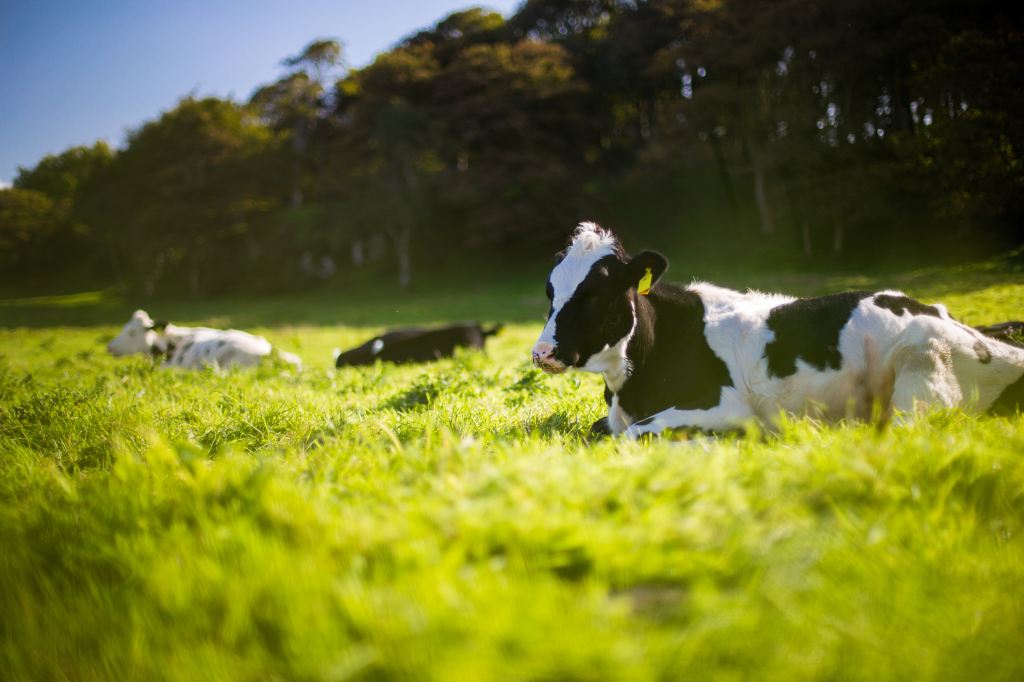
There’s a central reason to why we eat so much meat: it’s a great source of protein, iron, zinc, vitamin B12, and long-chain omega-3 fatty acids. But there are other, perhaps less well known, facts about meat consumption. The U.N. Food and Agriculture Organisation found that livestock are responsible for 18% of global greenhouse emissions – which is more than transport. Feeding and watering livestock accounts for over 8% of global human water use. Of the total combined weight of land-based animals, livestock makes up 20%. In addition to this, livestock displace native species and cause significant erosion problems.
Meat is popular in Australia thanks to our agriculture industry, which provides relatively cheap product, our pastoral history and our culinary culture, which celebrate traditions like the barbeque and the meat pie. The red meat industry alone is worth $15 billion annually. Meat production is increasing and we’re eating more meat than ever before.
While beef consumption might be very slightly down, and lamb consumption well down from the 1960s, these days we are eating two or four times more pork and chicken per person. But how many of us have dared to take a close look at what impact our diet might have on our environment, and how we could reduce our red meat footprint?
Science Weekly: The Red Meat Footprint. By Bianca Nogrady. September 1st, 2011. http:cosmosmagazine.com/node/2965
 Harry's MECO Blog