The equipment we intend on using is accessible on Amazon for reasonable prices, and is accessible to the general public. Being publicly available is especially relevant to our feature as it makes the audience feel more involved as they too can also genuinely purchase the equipment we’re using. In a similar fashion to Vice, we want to be in touch with ordinary people, and investigate unorthodox stories that are not reported on by mainstream media. As we’re just ordinary uni students, we believe that testing publicly accessible equipment at an open and available campus is fitting of our tone.
MECO Feature #usydafterdark Part 4: Multimedia Elements of our Feature
We’ve decided to utilise a number of multimedia platforms to document this investigation. The written feature article will be the key aspect of our port folio, as will be crucial to ensuring the correct tone is conveyed to the reader. This feature will tie the other multimedia elements together, rather than specialised on one aspect. In contrast to this we will use our video to provide a visual aspect to our investigation, but will lean more to the entertaining side of the scale. We will use a podcast to interview an expert in the paranormal field, which will be a more in depth insight into this field as opposed to the article which will just include key quotes from this interview. While our investigation won’t be published on Vice, we imagine it would appear on a media platform similar to Vice, which will provide guidelines as to how we edit and structure our piece, i.e. an informative investigation coupled with entertaining and engaging elements, such as dramatic tension, and comedic undertone when needed.
MECO Feature #usydafterdark Part 3: Existing Content
The target audiences (ghost enthusiasts, young people, and USYD students) may have different beliefs about the supernatural, so the tone of our feature needs to have an element of entertainment to compliment the informative nature of the investigation to ensure engagement. After researching existing content about ghost hunting equipment reviews, and ghost related content more broadly, we found the majority of the material was from the U.S., and was not really related to our idea. There were many articles about the “Top X” haunted locations in “X”, but didn’t find anything on ghost hunting equipment reviews. This gives our investigation a unique point of difference. We drew inspiration from the entertaining, and slightly comedic ghost hunting video by Shane Dawson, titled “Ghost Hunting in a Haunted Ship.” This style of filming, editing, and behaviour of the people in the video was similar to the way we want to structure our own, in the sense that it was an investigation, but an entertaining one that non-ghost enthusiasts can enjoy. The style of the video was the key component that we wanted to replicate across our entire web feature, instead of just in our video component, as it will appeal to our target audiences.
MECO Feature #usydafterdark Part 2: Solidifying our Feature Concept
Now that we had more direction, it was time to really hone in on our idea. Keeping consistent with the haunted theme, we decided to take a broader approach than just the Q-Station, as this is already a well-documented area in the way of ghost stories. Outside of the Q-Station, ghost stories aren’t well documented in Sydney, or Australia more generally. With this newfound inspiration, we looked into our own backyard for ghost stories. We discovered that the USYD Arts Campus at Rozelle has many alleged ghost sightings, as well as other spooky stories.
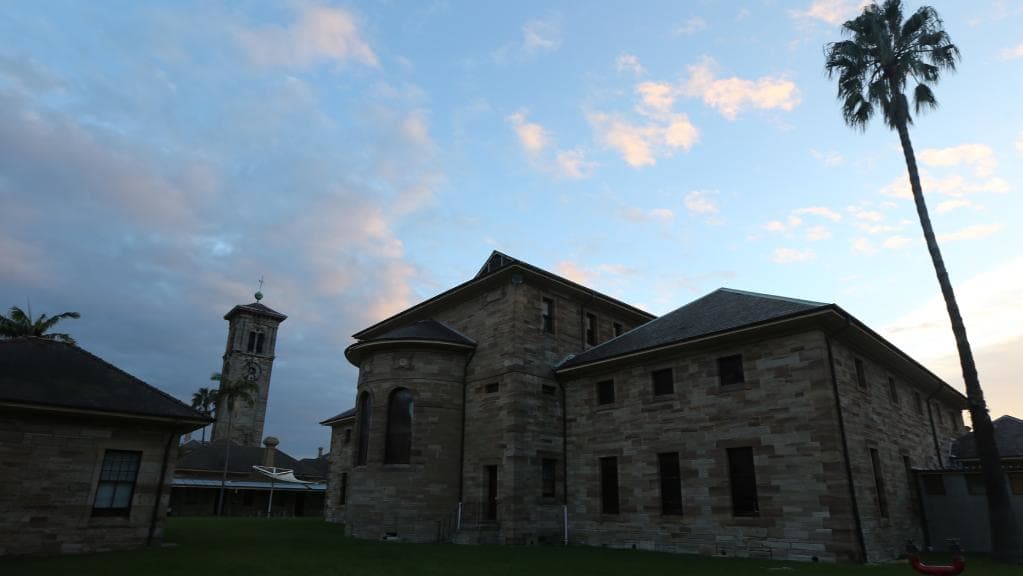
Building on this idea, we decided to create more interest in the topic by testing ghost hunting equipment at the Rozelle campus. The underlying theme of these two elements is mankind’s fascination with the paranormal, which we decided that we should incorporate into our investigation to tie the whole piece together, and provide useful insight into this concept. With our feature idea nailed down, we were then able to nail down target audience: ghost enthusiasts, young adults, and, of course, USYD students.
MECO Feature #usydafterdark Part 1: Group Formation and Brainstorming
Once the group was formed, it was then time to decide what we were going to do our feature on. After toying with some ideas, the creative juices began to flow and we all decided that we were interested in investigating the Q-Station at Manly.
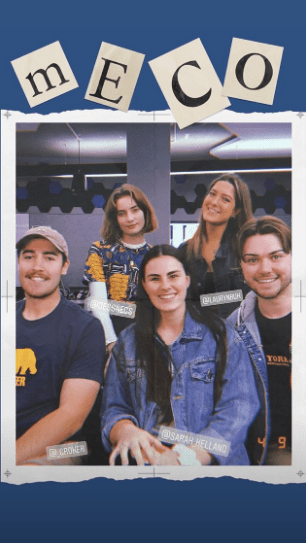
By “investigating” we meant doing some digging to find if the location is in fact haunted, or if it’s all just a myth to generate some money. From this we decided that we liked the idea of ‘the haunted,’ but not restricted to the Q-Station. The thinking caps were back on! Although we hadn’t settled on a concrete concept, we knew the direction we were headed. Our piece would be a feature investigation into a haunted location to gain some insight on mankind’s fascination with the paranormal.
Can the planet meat our demands?
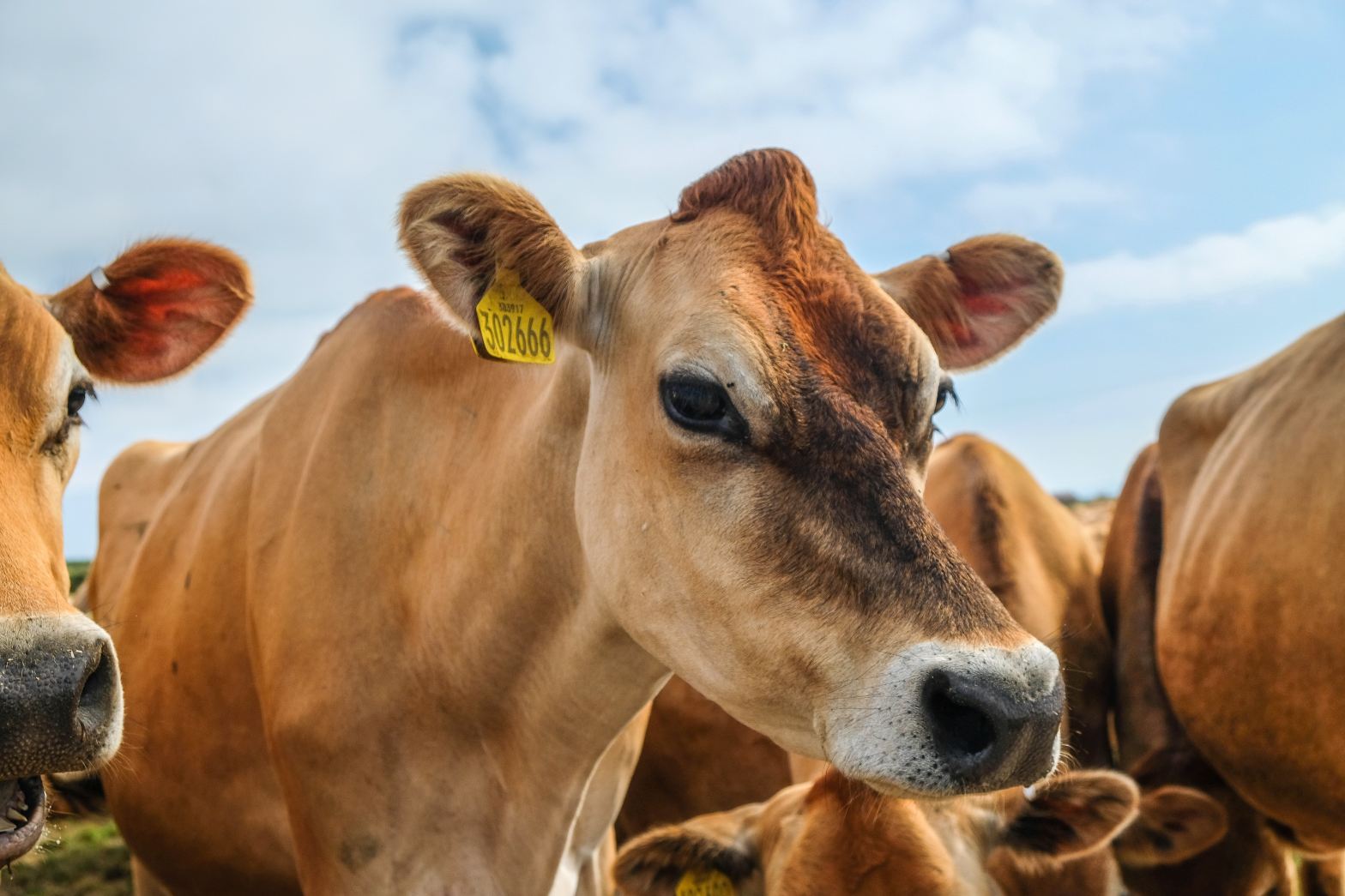
The meat-heavy diet of Westerners is taking its toll on our planet, causing many rumours to suggest that being vegetarian is better for the environment. Could there be some truth to it? We investigate the evidence.
Death row inmates in the United States put a lot of thought into their final meal choice. After all, it’s the last food they will eat on Earth. And their choice is telling, for overwhelmingly they want meat. Pork chops, filet mignon, steak, hamburger, meatloaf, fried chicken, sausages… with not a lentil, slice of haloumi or vegetarian lasagne in sight. Prisoners on death row might not be the most representative of social groups, but their choices give an inkling of the central role meat plays in everyday diets.
The very earliest fossil evidence of human eating habits bears the unmistakable signs of animal consumption. Our dental structure is designed for a diet that will tackle anything, whether animal or vegetable: canines and incisors for cutting and tearing, pre-molars and molars for grinding.
Science Weekly feature, The Red Meat Footprint, by Bianca Nogrady, suggests the modern human diet revolves around meat, particularly those from Western society. Livestock products provide one third of humanity’s protein intake. In Australia, livestock production is a critical export industry and contributes to high domestic consumption of meat products.
According to a 2005 report from Australian government research agency, The CSIRO, an average Australian eats 35kg of beef, 21kg of pork, 36kg of chicken, and 13kg of lamb each year. This equates to roughly 290g of meat per person, per day. To satisfy the meat requirements of Australians, it takes 16 million sheep, between 8 and 9 million head of cattle, 5.6 million pigs, and nearly half a billion chickens.
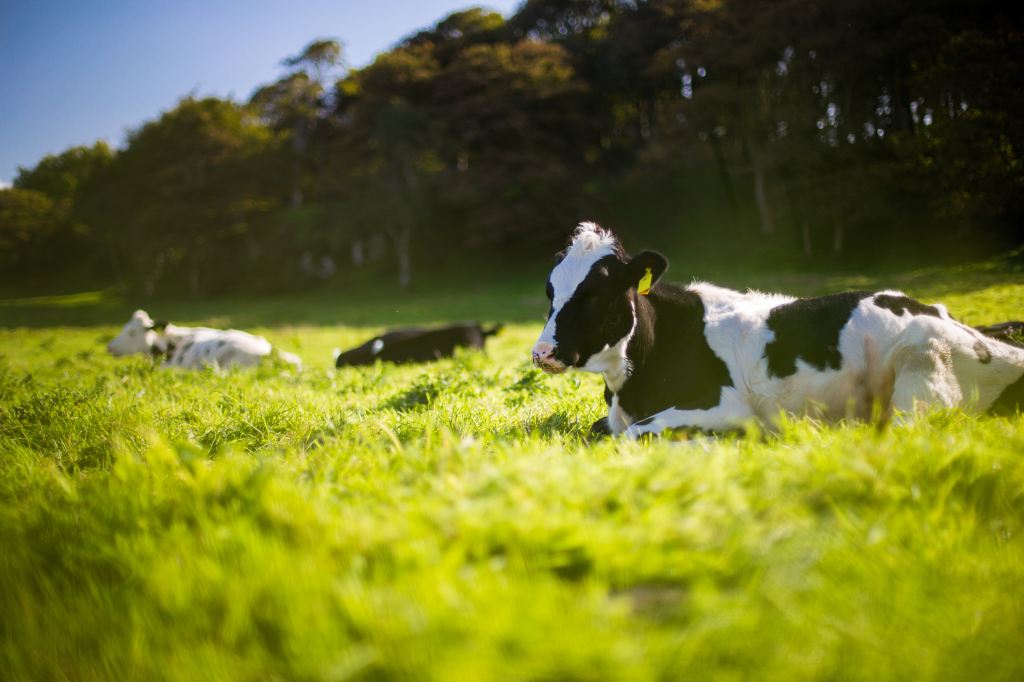
There’s a central reason to why we eat so much meat: it’s a great source of protein, iron, zinc, vitamin B12, and long-chain omega-3 fatty acids. But there are other, perhaps less well known, facts about meat consumption. The U.N. Food and Agriculture Organisation found that livestock are responsible for 18% of global greenhouse emissions – which is more than transport. Feeding and watering livestock accounts for over 8% of global human water use. Of the total combined weight of land-based animals, livestock makes up 20%. In addition to this, livestock displace native species and cause significant erosion problems.
Meat is popular in Australia thanks to our agriculture industry, which provides relatively cheap product, our pastoral history and our culinary culture, which celebrate traditions like the barbeque and the meat pie. The red meat industry alone is worth $15 billion annually. Meat production is increasing and we’re eating more meat than ever before.
While beef consumption might be very slightly down, and lamb consumption well down from the 1960s, these days we are eating two or four times more pork and chicken per person. But how many of us have dared to take a close look at what impact our diet might have on our environment, and how we could reduce our red meat footprint?
Science Weekly: The Red Meat Footprint. By Bianca Nogrady. September 1st, 2011. http:cosmosmagazine.com/node/2965
Introduce Yourself (Example Post)
This is an example post, originally published as part of Blogging University. Enroll in one of our ten programs, and start your blog right.
You’re going to publish a post today. Don’t worry about how your blog looks. Don’t worry if you haven’t given it a name yet, or you’re feeling overwhelmed. Just click the “New Post” button, and tell us why you’re here.
Why do this?
- Because it gives new readers context. What are you about? Why should they read your blog?
- Because it will help you focus you own ideas about your blog and what you’d like to do with it.
The post can be short or long, a personal intro to your life or a bloggy mission statement, a manifesto for the future or a simple outline of your the types of things you hope to publish.
To help you get started, here are a few questions:
- Why are you blogging publicly, rather than keeping a personal journal?
- What topics do you think you’ll write about?
- Who would you love to connect with via your blog?
- If you blog successfully throughout the next year, what would you hope to have accomplished?
You’re not locked into any of this; one of the wonderful things about blogs is how they constantly evolve as we learn, grow, and interact with one another — but it’s good to know where and why you started, and articulating your goals may just give you a few other post ideas.
Can’t think how to get started? Just write the first thing that pops into your head. Anne Lamott, author of a book on writing we love, says that you need to give yourself permission to write a “crappy first draft”. Anne makes a great point — just start writing, and worry about editing it later.
When you’re ready to publish, give your post three to five tags that describe your blog’s focus — writing, photography, fiction, parenting, food, cars, movies, sports, whatever. These tags will help others who care about your topics find you in the Reader. Make sure one of the tags is “zerotohero,” so other new bloggers can find you, too.
 Harry's MECO Blog